

Irish Stew is a warm, hearty dish cooked using fresh ingredients and, when available, meat. In the early days, the stew would have been cooked in a pot hung over an open fire using whatever ingredients were to hand. It did not need someone constantly watching over it and could be left to gently simmer by itself whilst you got on with other work. Popping back occasionally to stir and/or add water if it looks like it might burn.
Low on fuel for a fire, or are you going to be away most of the day? Bring your stew up to a boil. Take it off the heat and cover with a lid. Then wrap it up warmly and set it aside so that the residual heat will keep it slowly cooking. The more you have it wrapped, the longer it will hold the heat and finish cooking.
The equivalent today would be the straw box method. With this method, you line a box with straw and place the hot pot inside. Do you think our ancestors would have wasted straw or used other materials from their local area? The main requirements for this method of slow cooking are to ensure adequate insulation and to chop the ingredients into smaller pieces that will cook quickly.
In modern Ireland, most folks do not have an open fire inside their homes upon which they can cook food. Today, stew is made using various methods, either in the oven, the slow cooker, the pressure cooker, etc.
The Meat
Irish stew is traditionally made using mutton or lamb. Mutton is meat from an older sheep and can have quite a strong flavour. However, the area of Ireland you live in would have had a significant influence on your meat source. Depending on the type of agricultural environment you may be living in an area that was predominantly beef, and your Irish stew would be made of that.
The Potatoes
Potatoes were introduced into Ireland in the late 16th Century and have become a recognised ingredient in the stew.
Potatoes were typically of the white variety, although you can swap them out for other varieties.
The best potatoes are bought from your local farmer, either at a farmers market or from a stall on the side of the road. If buying supermarket potatoes, make sure the bag is not sweating, which may indicate a potato is rotting. Do not buy bags with green potatoes. Do not keep potatoes in a plastic bag, and make sure to keep them in the dark.
Are green potatoes safe to eat? It is best to throw away the green potato. Green potatoes can contain a neurotoxin called solanine that can cause digestive and neurological symptoms.
The Herbs
Early seasoning may have only been salt and pepper, however, it is worth bearing in mind that people would have known safe plants to eat, as foraging would have been a normal way of adding more food to the table. Think wild garlic, pine nuts, nettles and dandelions. Those living on coasts would have had access to seaweed. The flavour reflected both the season and personal preferences.
Basic Irish Stew (Mutton)
Basic Irish Stew is a simple dish made of
½ neck of mutton,
4 – 5 potatoes,
an onion,
seasoning and
a gill of water.
Cut everything into bite-sized pieces. Add all the ingredients to a pot. Bring to a simmer and let it simmer for an hour or until the potatoes are soft. Irish Stew needs time for all the flavours to infuse together.
A gill is around 10 tablespoons or 142 ml—the equivalent of ½ a US cup.
The Stew I Grew Up With (Beef)
The type of Irish Stew I grew up with was also known as brown stew due to its colouring.
It is made of
½ lb stewing meat (beef) (225g, 1 cup)
1 white onion,
2 large carrots,
2 large parsnips,
a small turnip,
5 – 6 large potatoes
a stock cube,
water
and seasoning (Salt, Pepper, Parsley, Thyme).
Roughly cut meat into pieces the length of your thumb. Cut the vegetables into large chunks. Fry the meat until brown and the onions until slightly yellow. Add the vegetables. Dissolve the stock cube in the water and add to the pot. Finally, mix in your seasoning.
Then cook until the vegetables are soft.
Growing up, this was done in a pressure cooker. These days, I use a Ninja cooker and either pressure cook or slow cook, depending on the time available and how hungry I am.
A Versatile Stew
The good thing about stews is that you add in what you like. If you don’t eat meat, add another protein. Just remember whatever you add needs to be able to cook as long as the other root vegetables, or you could end up with mush!
Dollop in a dash of HP sauce to make it more savoury.
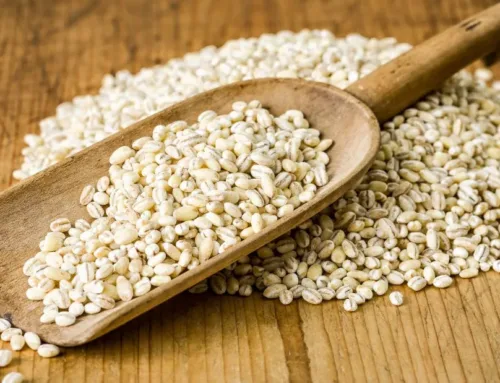
If you have some stew left over, why not add barley or oats, a leek, and extra water to make a soup?
Restaurant Stew
Check with your serving staff about the type of stew they serve. Is it chunky or not? Restaurants are in the business of moving people quickly through their premises. They do not always have the time to make the traditional style of rough-cut meat and vegetables, and you may end up with a bowl of teeny-tiny, cubed vegetables served with a splash of liquid, topped with a potato mash or an elegantly placed piece of potato.
Whatever way you like your Irish Stew, eat up and enjoy.


Leave A Comment